

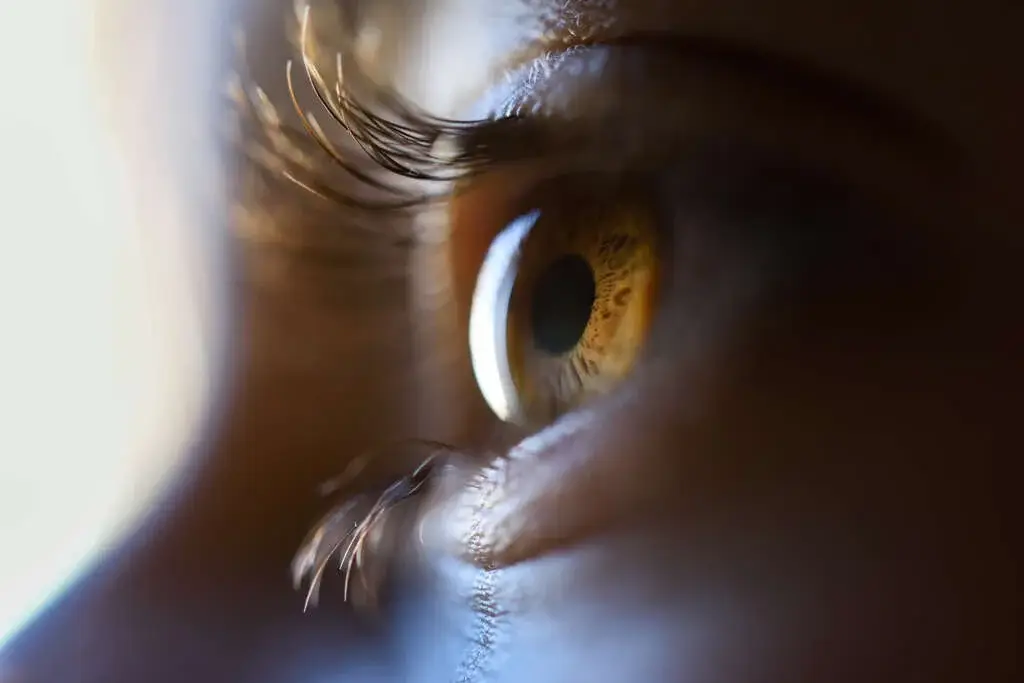
When We Change Our Perspective, What We See Changes Too
When We Change Our Perspective, What We See Changes Too
When we look around us, there are countless things that can potentially be perceived, and we filter through them, noticing those that we need or are interested in. For example, while listening to a friend, we may fail to notice the cat meowing nearby or the bird flapping its wings. Or, when we are very thirsty and walking toward the kitchen, we may not notice the sound of the street vendor selling simit coming from outside. We become aware of what we focus on.
Now, let us take a moment to look at ourselves. What do we tend to focus on most in life? The things that bother us? How tired we are? Our sense of exhaustion? The things we have not been able to do for ourselves? The actions of others that make us angry? Certain behaviors of our children? The fact that our spouse does not do what we want? Our perfectionist manager? In short, are we focusing on the negative?
Then we need to understand this: The more we focus on something, the more often we encounter and experience events related to it. If we focus on complaining, we will experience more situations that give us reasons to complain. If we believe that we are victims in life, we will encounter more situations in which we feel victimized. If we focus on finding faults, we will see plenty of faults. If we focus on negativity, we will experience more negative events…
Sometimes, even when we cannot change the events themselves, what we perceive from them and the meaning we assign to them can have a significant impact on how we respond—or will respond—to those events. The way we think determines our behaviors and the direction we take.
Change begins with us, within us. When we change our perspective toward events and the experiences we go through, what we choose to notice and perceive, our thoughts, what we focus on, and what we value will also change.
Imagine that we have a headache and feel exhausted, so we go to the doctor looking for ways to feel better. What do we expect from the doctor? Are we expecting them to say, “This medicine is for your mother, this one for your sibling, this one for your mother-in-law, this one for your manager, this one for your spouse, and this one for your children”? Everyone else will take their medicine, and we will feel better—is that how it works? Expecting a situation to improve by complaining and waiting for other people to change is actually very similar to this. Yet the people who need to change, the people who need to act with awareness, are us. As our perspective changes, so do the meanings we assign to events and our priorities.
Imagine that we drop our watch on the ground while getting into our car to go home at night. What would we do to find it? Would complaining to others or shouting at them solve the problem? What if we turned on the car light and searched for the watch inside the car, or looked for it in the nearest shopping mall simply because it was better lit there? Would that solve the problem? Complaining and becoming angry about what we experience can make us feel as though we are reliving those experiences over and over again, causing our negative emotions to intensify. At the same time, searching for solutions in the wrong places, with the wrong people, or from the wrong perspective can lead us further away from a solution.
Do we have a child with special needs? A difficult job? A marriage that is not going well? A loved one who requires care? Or other challenges that place significant demands on us? Then let us pay attention to what we are focusing on. What we focus on determines the direction in which we move. And when our perspective changes, just as the wind guides a sailing ship, the direction in which we set sail and the route we follow also change.
(Published on the “Gelişimin Gücü” Blogspot, March 10, 2019.)